
Why should old elevators be modernized?
2018-03-01
Reasons for elevator modernization
The elevator has been in use for more than 15 years, has a high failure rate and poses safety hazards.
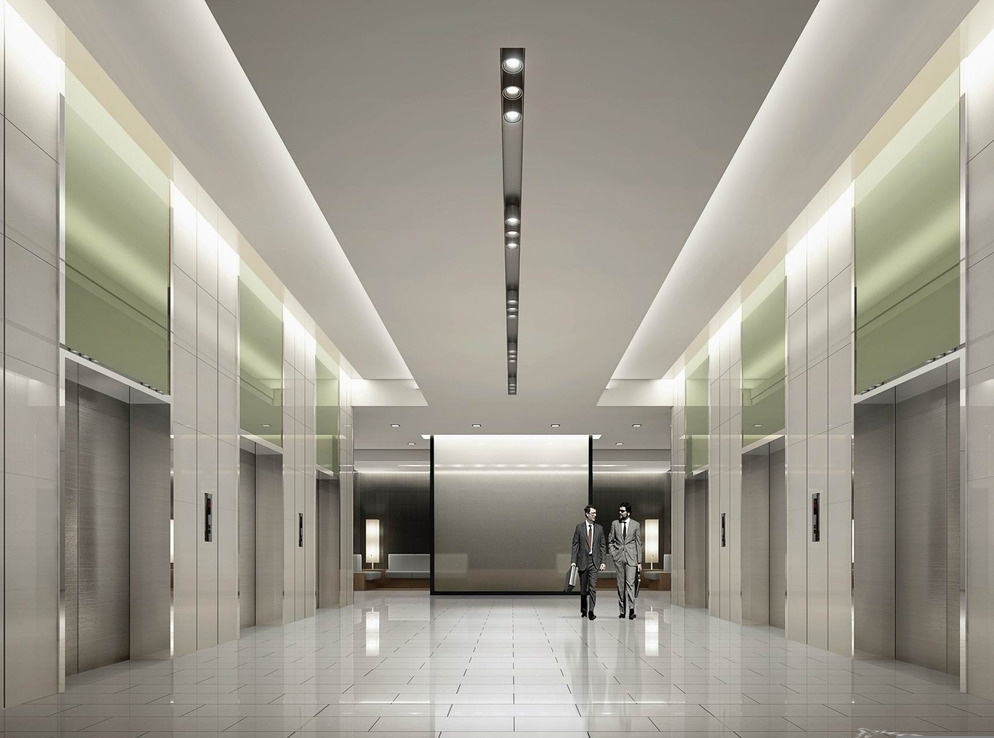
The elevator's interior decoration is outdated and affects the overall image.
The elevator's leveling accuracy when stopping at floors is poor, making it easy to trip when entering or exiting the car.
The elevator shakes significantly when starting and stopping at floors, resulting in poor riding comfort.
Most of the elevator's spare parts have been discontinued, making maintenance difficult and failures frequent.
The elevator has high power consumption and poor operating efficiency, as seen in early products with reduced-voltage starting and high energy consumption.
Technologies applied
The use of a permanent magnet synchronous gearless machine achieves multiple featured technical indicators for the elevator, such as energy saving, environmental protection and compact size.
The adoption of VVVF technology significantly reduces energy consumption and the capacity of power supply equipment required by the building. The full digital control device and the high-precision reducer manufactured with advanced processing further reduce energy consumption.
Thanks to the development of communication technology and networks, more humanized technologies such as remote monitoring systems and multimedia information display systems can be applied to elevators in old residential communities as soon as possible through modernization and upgrading.
Condition of the elevator after modernization
Safer and more reliable...
More comfortable, more energy-efficient and more power-saving...
More convenient and more reassuring to use...
It can enhance the taste and value of the building.
When is the most appropriate time for modernization
The purpose of regular maintenance is to maintain operating performance and reduce the occurrence of failures. According to the frequency of use, periodic inspection, adjustment and diagnosis are carried out, and parts are replaced and machines repaired in a timely manner. However, after entering the wear-out failure period, the overall performance of the system declines further. Compared with the current technological era, there is a gap of technological backwardness, and there is also a large gap with the functions generally demanded by society. This not only causes a decline in residents' quality of life, but also leads to frequent high repair costs in the future.
Therefore, the time when the elevator enters the wear-out failure period is the appropriate time for elevator modernization and renewal. Usually, the failure occurrence of electrical and mechanical devices is in a stable period of low failure from the initial failure period to the random failure period. After the random failure period, the failure period begins to enter the wear-out failure period. At this time, due to the aging and deterioration of parts, the number of failures increases and failure prevention becomes difficult to predict in advance.
Related news
Jiangsu Aoling Elevator Co., Ltd.


Address
Guocun Town, Jiangdu District, Yangzhou, Jiangsu Province

- Mobile site -