
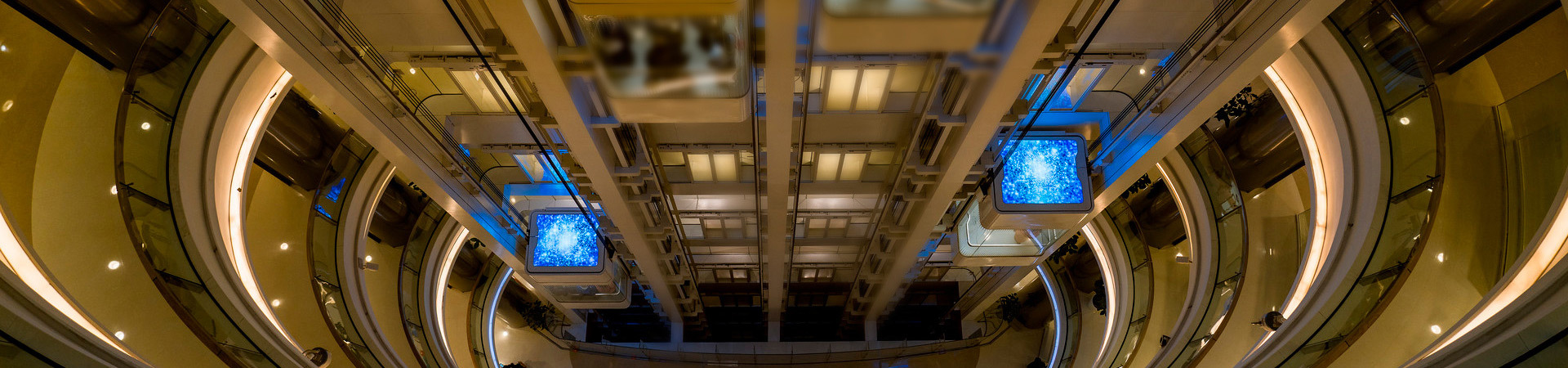
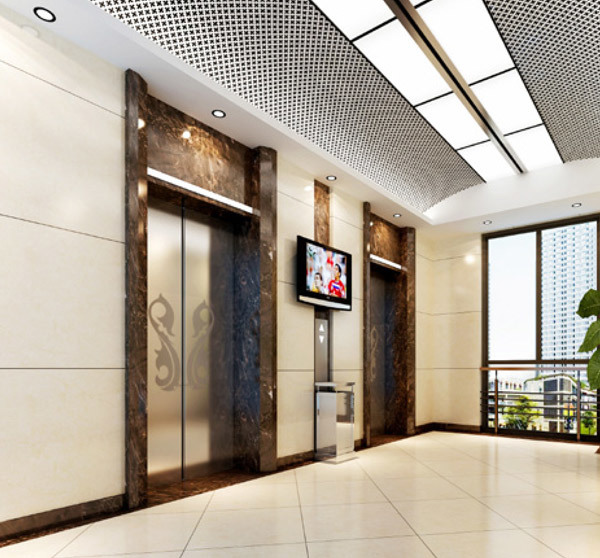
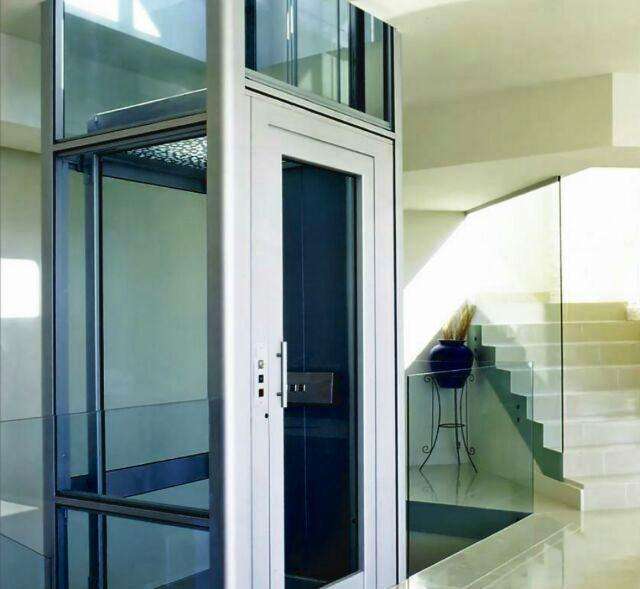
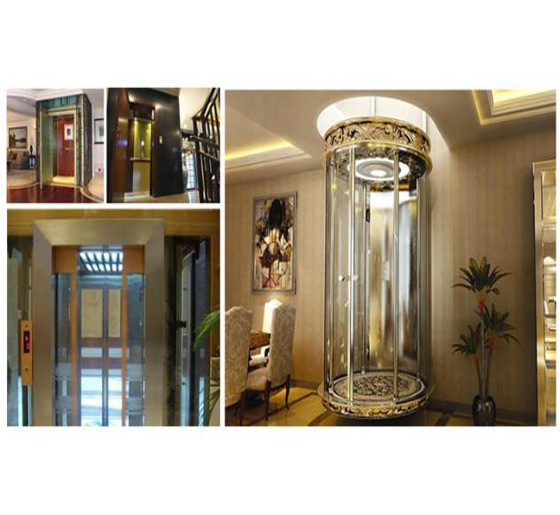
Passenger elevator_machine-room-less passenger elevator
The company adopts advanced technology, modern equipment, standardized management, precise brand positioning and a complete marketing and customer service network throughout, and has built a professional R&D, manufacturing, sales and service team and a product structure capable of meeting customers' diverse needs.
Category:
Product details
Basic requirements for passenger elevator maintenance:
1.Elevator safety protection devices must be sensitive. When a safety protection device fails, the elevator shall not be put into normal operation.
2.Each component and the connecting fasteners between components shall be firm and not loose.
3.The parts of working and moving components shall be smooth, protruding and free of jamming, and there shall be sufficient oil in the gearbox and lubricating equipment. The lubricating oil must meet the requirements of the elevator manufacturer.
4.The covers, lids, parts, fasteners, etc. on parts and equipment, switches and assemblies shall be intact and undamaged.
Common problems and causes of passenger elevator mechanical systems are as follows:
1.Due to poor lubrication or system problems, the rolling parts of the components are severely heated, worn or seized on the shaft, resulting in damage to the rolling or sliding parts.
2.Due to frequent use of the elevator, some parts have worn and aged, and maintenance has not been in place. Failure to replace or correct worn parts in time causes the damage to expand further, forcing the elevator to stop.
3.During the operation of the passenger elevator, some fastening screws loosen due to vibration, causing certain components (especially moving parts) to work abnormally and resulting in elevator damage.
4.Because the elevator balance coefficient is out of adjustment, or severe overloading causes large car vibration or poor levelling accuracy, the passenger elevator speed goes out of control, or even over-travels at the top or bottom, causing the speed governor safety gear to engage and stop the elevator.
Keywords:
Passenger elevator_machine-room-less passenger elevator
Enquire now
Jiangsu Aoling Elevator Co., Ltd.


Address
Guocun Town, Jiangdu District, Yangzhou, Jiangsu Province

- Mobile site -